Diabetes is well-known for its effects on the eyes, kidneys, and nerves. What receives far less attention is its effect on hearing. Research over the past two decades has established a consistent link between diabetes and hearing loss — one that millions of people with the condition may not be aware of.
What the Research Shows
The American Diabetes Association cites research showing that hearing loss is twice as common in people with diabetes as in those without it. Among the over 40 million Americans with diabetes, this represents a significant and largely unacknowledged health burden.
The connection doesn't stop at full diabetes: people with prediabetes — elevated blood sugar that hasn't yet reached diabetic thresholds — have a 30% higher rate of hearing loss than those with normal blood glucose levels. The relationship appears to intensify with the duration of the condition; studies show hearing loss rates climbing progressively with years of diabetes diagnosis.
Why Diabetes Affects Hearing
The most widely accepted explanation involves the microvascular damage that diabetes is known to cause. The inner ear depends on a rich network of tiny blood vessels to maintain the fluid environment in which its hair cells function. High blood glucose levels can damage these vessels — reducing blood flow, oxygen delivery, and ion transport to the cochlea — in a way that mirrors the vascular damage diabetes causes in the eyes and kidneys.
There's also evidence that high glucose levels may directly damage the spiral ganglion neurons and auditory hair cells, and that poor glycemic control accelerates this damage. Studies have found that patients with higher HbA1c levels (a marker of poor blood sugar control) show higher rates and greater severity of hearing loss.
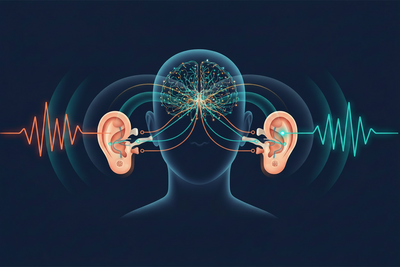
Key finding: Individuals with diabetes show hearing loss predominantly in the high-frequency range — the same frequencies that carry consonants and speech clarity — making conversations harder to follow even before overall hearing declines significantly.
What This Means Practically
For anyone with diabetes or prediabetes, hearing health deserves attention as part of overall disease management. Hearing loss in this context often develops slowly and may not be noticed until it has become significant. Annual or regular hearing assessments — alongside the eye exams and kidney function tests that are standard in diabetes care — represent a practical way to catch changes early.
Good glycemic control appears to be the most protective measure available. Managing blood sugar, maintaining cardiovascular health, and avoiding additional noise exposure are all factors within reach.
If you or a family member has diabetes, don't wait for hearing difficulties to become obvious before addressing them.
Soundbright hearing aids start at $99 with a 45-day risk-free trial. Start here →